Flint Treasure of Oblivion Redeem Code Free Download
You can download flint treasure of oblivion redeem code for free to download flint treasure of oblivion on Xbox Series X/S,PS5 and PC. French based savage level developed the game, and it is published by Microids. Currently the game is getting lots of positive reviews; hence it is 100% worth getting the flint treasure of oblivion. It is now priced at 20 dollars, although you can get it absolutely free of cost from here.

Tap on the button given above to access the online flint treasure of oblivion redeem code generator. Once you have opened the online generator, choose the appropriate platform and download your code. You can use this redeem code to download flint treasure of oblivion at any supported marketplace. For example, if you are using a PS5, then you can redeem the PS5 code via the PlayStation marketplace.
Flint Treasure of Oblivion Review
Pirates. Legends. Treasure. It’s a theme that never gets old, right? So when I got my hands on Flint: Treasure of Oblivion, I was excited to see if Savage Level could bring something fresh to the table. Spoiler alert: they did… mostly.
At its heart, Flint is an origin story for Captain Flint, the infamous figure from Treasure Island. You start as an ordinary sailor, dreaming of freedom, fortune, and adventure. What follows is a transformation into one of the most feared pirates to ever roam the seas. It’s a game packed with bold ideas, but like any good pirate ship, it takes on a bit of water along the way.
The story is easily one of Flint’s strongest aspects. From the beginning, I was hooked by its gritty tone. Flint isn’t some charming rogue. He’s messy, ambitious, and flawed—exactly what you’d expect from someone destined to become a pirate legend.
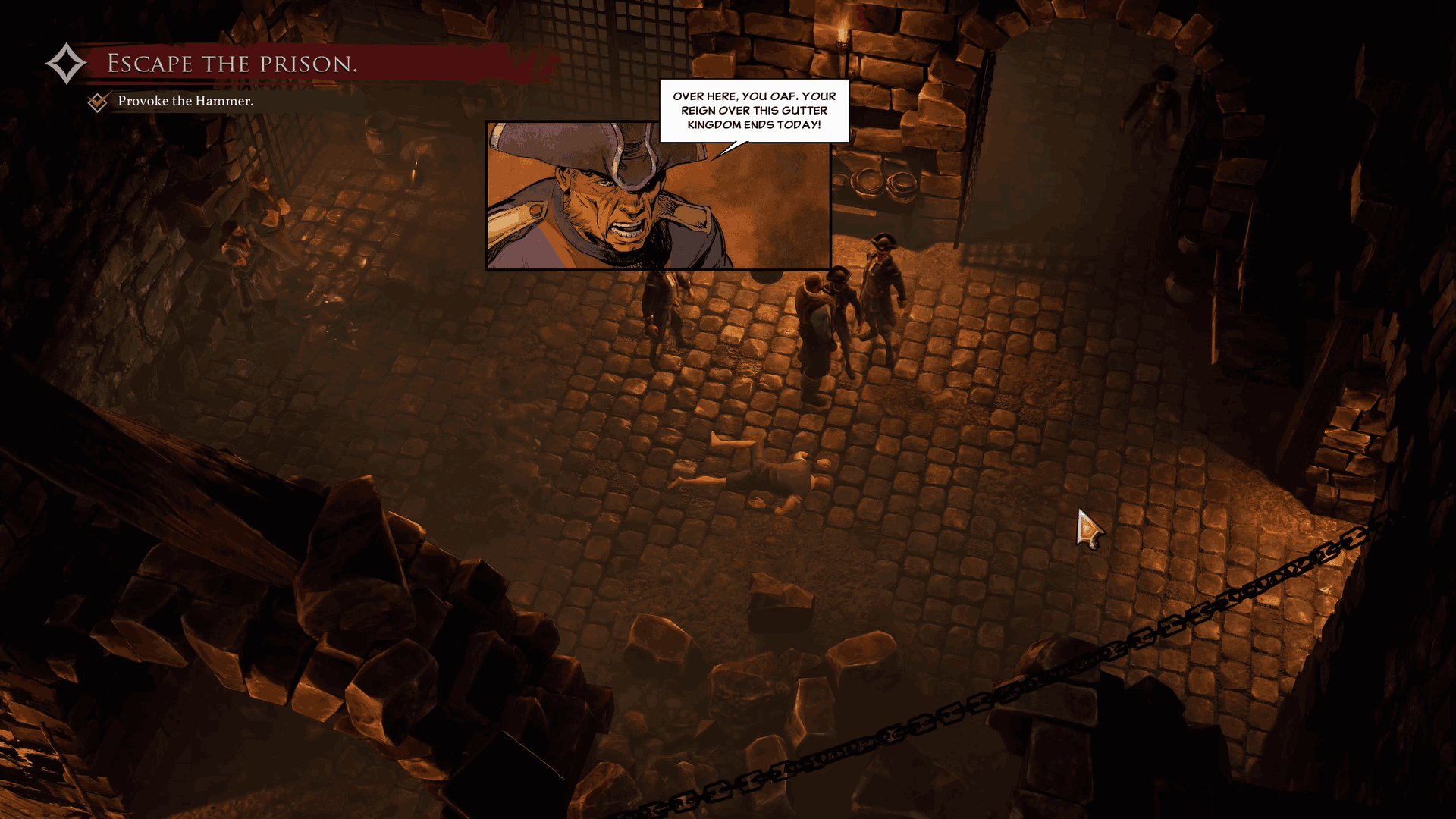
The narrative unfolds through these gorgeous comic-book-style cutscenes that feel like they’re ripped straight out of a graphic novel. Every scene is dramatic and bursting with personality. The first big betrayal, when Flint realizes the price of ambition, genuinely hit hard. I found myself invested in his journey, even when I didn’t always agree with his choices.
That said, the pacing wasn’t perfect. Some chapters were intense and emotional, while others dragged a bit, padded out with too many side quests. I’m all for world-building, but there were moments when I just wanted to get back to the main story.
Alright, let’s talk gameplay. If there’s one word to describe it, it’s “ambitious.” This game doesn’t settle for one style—it mashes together tactical combat, exploration, naval battles, and even card-based mechanics. Sometimes, it works beautifully. Other times, it feels like too much.
The turn-based combat is where Flint really shines. Each battle takes place on a grid, and positioning your crew strategically is the key to victory. One fight on a rain-soaked island stands out in my memory—I was outnumbered, outgunned, and totally panicked. But by carefully coordinating my crew’s abilities, I managed to scrape through. Those moments, when everything clicks, are incredibly satisfying.
However, there’s a dice roll mechanic that can throw a wrench into even the best-laid plans. I’ll be honest: I cursed the RNG gods more than once. I get that randomness adds tension, but losing a critical roll at the worst time can be downright infuriating.
Exploring the seas is a real highlight. The world feels alive, with unpredictable weather, hidden islands, and encounters that keep you on edge. There’s something magical about watching the sun set over the waves as your ship cuts through the water.
But naval combat? Eh. It’s not terrible, but it’s nowhere near as engaging as the on-foot battles. Ship controls feel clunky, and most encounters boil down to trading cannon fire until someone sinks.
The card system is a neat idea. Each crew member has a deck of abilities that you can upgrade or customize, adding a layer of strategy to combat. It’s fun to experiment, but managing decks between battles can feel like a chore. If you’re someone who loves tweaking builds, you’ll probably enjoy it. If not, it might just slow you down.
Visually, Flint is stunning. The comic book-inspired art style gives the game a unique identity. Every location, from bustling ports to eerie, fog-shrouded islands, is packed with detail.
The soundtrack is another standout. It’s equal parts rousing and atmospheric, perfectly capturing the spirit of high-seas adventure. And the voice acting? Top-notch. Flint’s gravelly, weathered voice sells every line, adding depth to his character.
For all its strengths, Flint isn’t without flaws. The RNG mechanics in combat can be a major frustration. Naval battles feel undercooked, and the pacing of the story could use some tightening.
There were also a few technical hiccups. Nothing game-breaking, but enough to remind me that this is a big, ambitious game that sometimes bites off more than it can chew.
So, is Flint: Treasure of Oblivion worth your time? If you’re a fan of pirate lore or tactical RPGs, absolutely. It’s a game that swings for the fences, and while it doesn’t hit a home run every time, the moments it gets right are unforgettable.
For me, the highs outweighed the lows. I’ll be thinking about Flint’s journey—and those tense, nail-biting battles—for a long time.